
WHAT WE DO

Incorporate your industry knowledge into tailored lessons that emphasize speaking, punctuation, and writing.

Assist international students with academic reading and writing, english conversational skills and beyond.

WRITING AND EDITING COACHING SERVICES
Improve the quality of your business documents and emails with correct grammar, syntax, and style.
LATEST BLOG POSTS
See all posts

Saying “no” seems simple, but in intercultural business communication, it can be one of the most misunderstood messages. For example, U.S., German, French, and Japanese professionals express refusal differently, reflecting deeper cultural norms around directness, hierarchy, and harmony.

One of the most influential negotiation approaches, developed at Harvard, is called the principled negotiation or interest‑based negotiation method. It focuses on reaching wise agreements by separating people from the problem, focusing on interests, generating options, and using objective criteria.

Negotiations are about much more than price; they are about relationships, trust, and cultural expectations. For international professionals working with U.S. partners, having precise English negotiation vocabulary is critical to sounding confident and credible.

The 2026 World Cup will be hosted across the United States, Canada, and Mexico from June 11 to July 19, 2026, and it will be the first World Cup with 48 participating teams. This global event will be a major topic at work, in international meetings, and in casual conversations.
Learn the language of media for LinkedIn, PR, and thought leadership. Improve tone, clarity, and U.S.-style messaging with culturally adapted English coaching.

Go beyond the basics with advanced business phrasal verbs. Learn how to “touch base,” “iron out” issues, and sound more natural in U.S.-focused professional English.
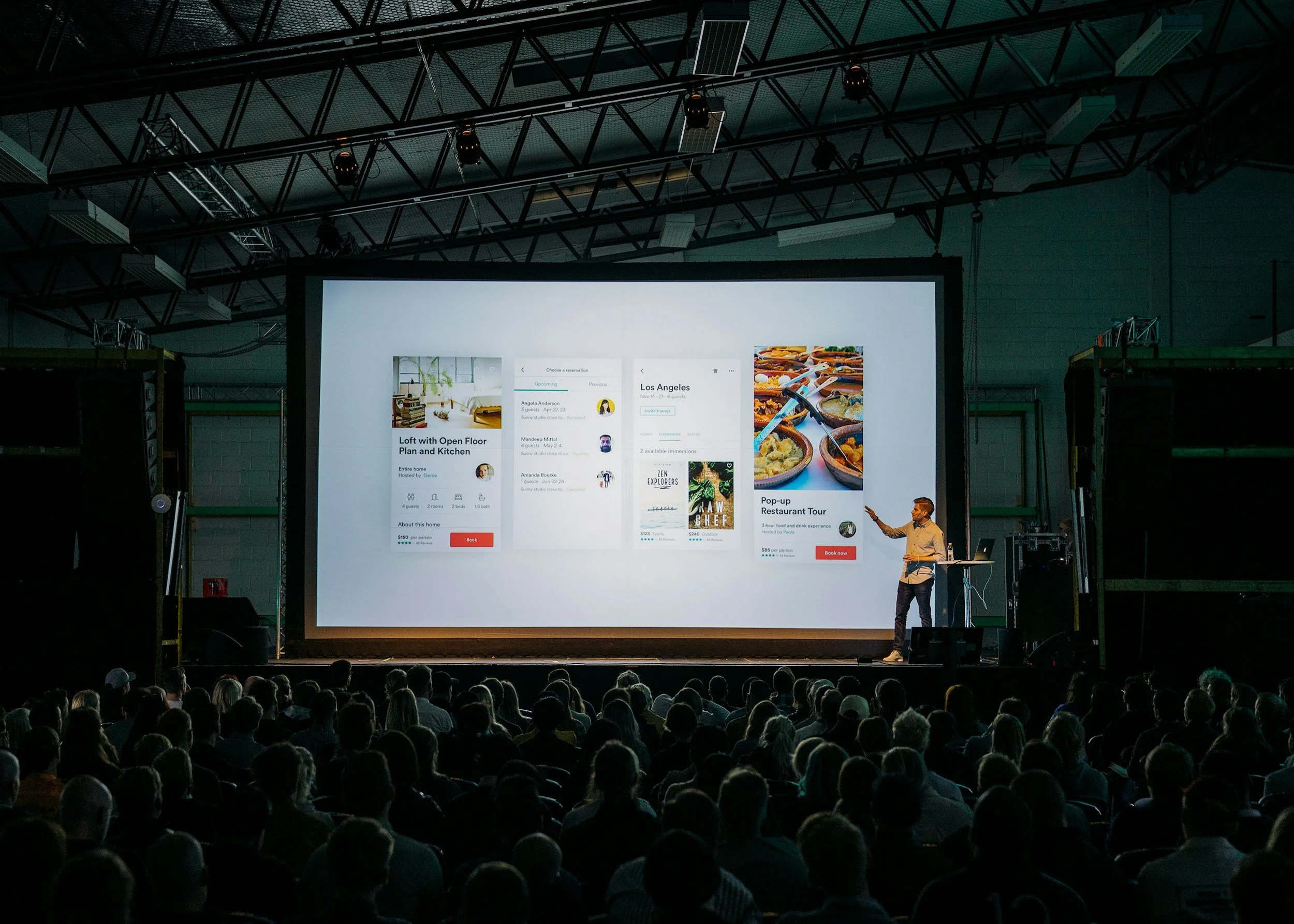
Discover how to adapt your pitch for U.S. clients and investors. Learn language, storytelling, and cultural cues with tailored English communication and culture coaching.

Learn essential business phrasal verbs and sound more natural in meetings and emails. Improve your English communication and cultural fluency with expert coaching.

In business, we’re often obsessed with behavior—what people say, how they act, what they do in meetings. But behavior is the product of culture. Information is power. Why stop at surface-level understanding when you can unlock the code that drives behavior?

By the time cultural confusion shows up in performance reviews, failed pitches, or leadership turnover, the damage has been done. The miscommunications, missed cues, and misread intentions have already set in motion a chain of setbacks. This is why investing in U.S. culture training and consulting is not just smart—it's strategic.