The Language of Media: Communicating for Impact
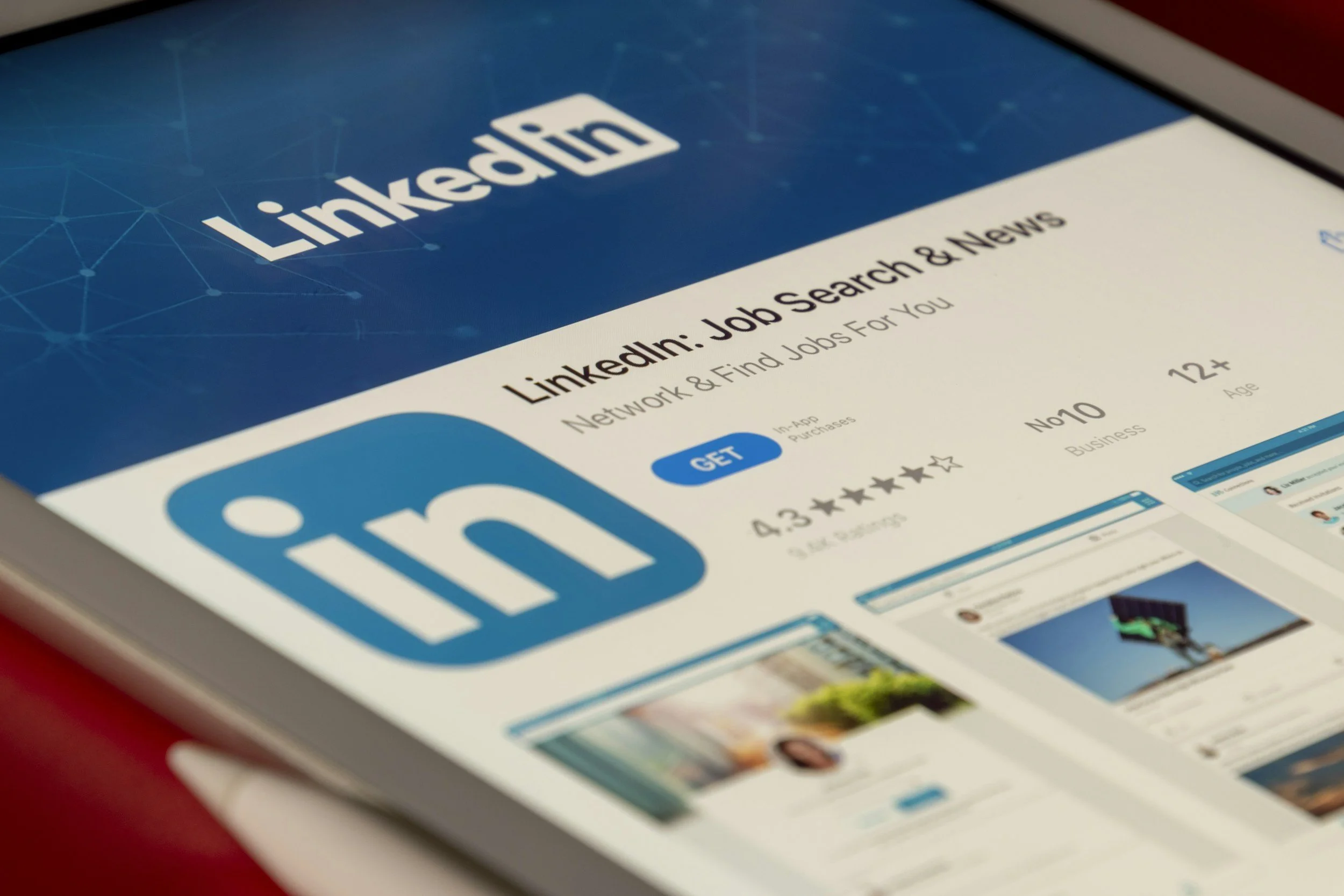
Media English is no longer just for journalists; it is a core skill for any professional who writes for LinkedIn, newsletters, company websites, or press releases. The way you frame your ideas in English affects how international and U.S. audiences perceive your expertise and your brand.
Strong media language helps you sound credible, concise, and relevant, whether you are speaking for yourself, your team, or your organization.
Key Features of Effective Media English
Media-style English often looks simple on the surface, but it is highly strategic. Common features include:
Clarity and brevity: Short sentences, clear verbs, and minimal jargon.
Strong openings: First lines that grab attention and explain why the reader should care.
Consistent tone: A voice that matches your audience, platform, and communication goals.
In U.S. communication culture, media texts often balance professionalism with a conversational tone, which can feel surprisingly informal to many international professionals.
Culturally Adapted Language for Media and Thought Leadership
When we work together on media English, we focus on:
Adapting your tone for platforms like LinkedIn, company blogs, and newsletters.
Aligning your messaging with U.S. cultural values such as initiative, clarity, and impact.
Positioning your expertise in a way that feels comfortable for you but still resonates with U.S. readers.
As an English communication coach and U.S. culture consultant, I help you develop media-ready language that reflects your voice, respects your cultural background, and still fits U.S. expectations. This combination is especially powerful for leaders, founders, and experts working in cross-border contexts.
Send Marike a message if you want to boost your likelihood of success in the United States. The complexity of this country can only be navigated with an expert by your side. Contact us here.